


UK Radio Astronomy Faces Closure Due to Funding Cuts
Jodrell Bank and the e-Merlin network are threatened with closure as the STFC plans to withdraw funding.
Trust 42Craft 55Hype 50How this was reported ▾
Single named source, no direct document or data quoted.
How well corroborated and evidenced the reporting is. Higher is better.
Context given but no affected voices or next steps.
Context, balance and separation of fact from comment. Higher is better.
Headline overstates local impact; national story framed as global threat.
How far presentation runs ahead of substance. Lower is better.
1 source assessed · methodology
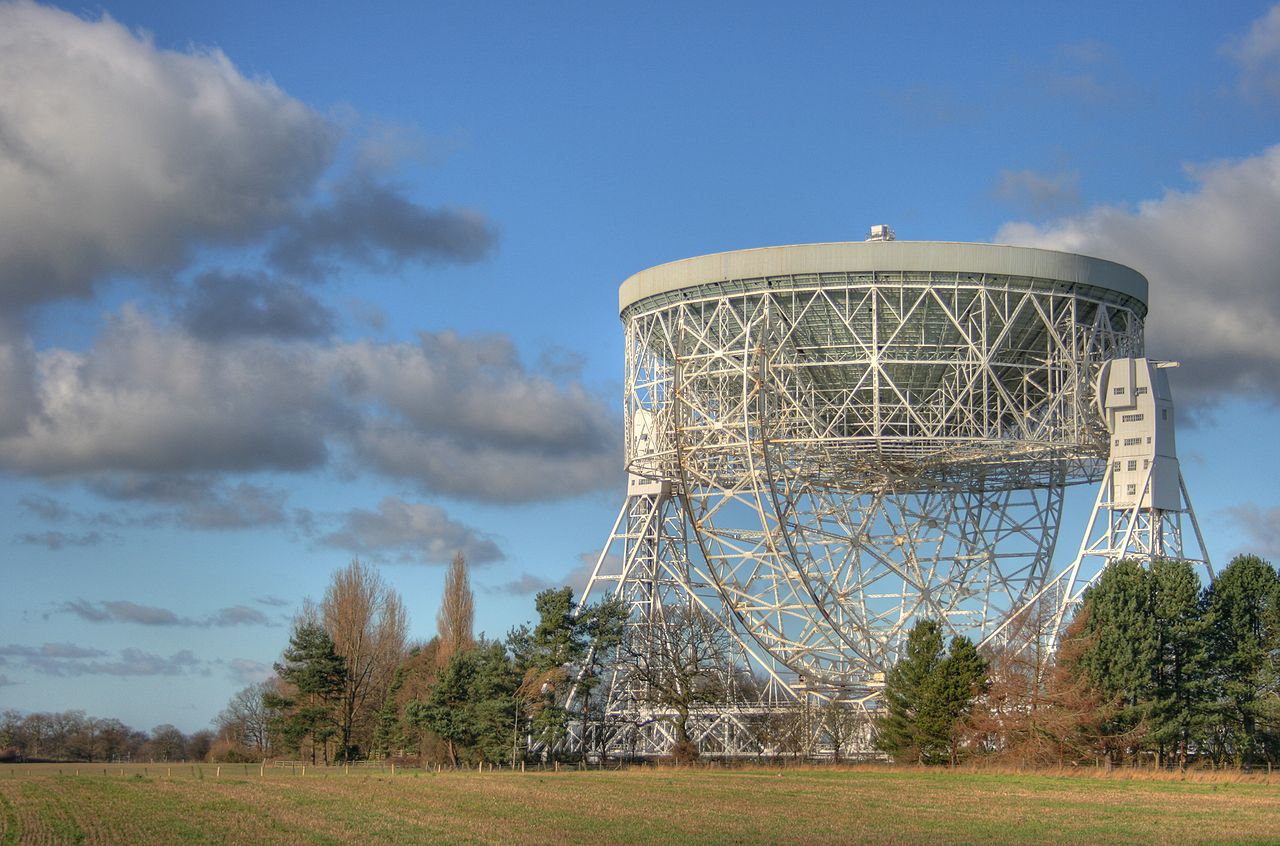
Jodrell Bank, a historic site for radio astronomy, and the UK's national seven-telescope network, e-Merlin, are under threat of closure. The Science and Technology Facilities Council (STFC) intends to cease funding in March 2028, which would halt all observations unless alternative financial support is secured. This decision impacts a significant part of the UK's astronomical research capabilities.
Broader Impact on UK Science
Sunseeker Holiday Homes enters administration
The Hull-based manufacturer, founded in 2019, has appointed administrators, putting 76 jobs at risk.
The proposed funding withdrawal is part of a larger effort by the STFC to achieve £162 million in savings by 2030. These savings are necessitated by cost overruns stemming from increased electricity and staff expenses, as well as fluctuating foreign exchange rates affecting international projects like CERN. Reports suggest the actual cost overruns could be substantially higher, potentially reaching £684 million over four years.
Beyond Jodrell Bank, other areas of physics research are also facing reductions. While facilities like the Diamond synchrotron and Isis muon and neutron source will continue operating with cuts, the Clara facility in Cheshire is being mothballed. The Boulby mine, the UK's sole deep underground science facility, will see its operating budget reduced by 40%. Furthermore, there is no allocated funding for the LHCb experiment on the Large Hadron Collider, which risks terminating the experiment prematurely and leaving 80% of its data uncollected.
UK participation in international observatories is also being scaled back. Involvement in the Rubin observatory in Chile will decrease by 20%, and similar reductions are planned for an observatory on La Palma. The UK is also withdrawing from the Event Horizon Telescope collaboration, responsible for the first image of a black hole. The Bison solar observation network will experience a 40% reduction in UK involvement.

Enfield Town Liveable Neighbourhood scheme paused pending review
Transport for London funding for next phase is on hold as council re-evaluates project elements.
Risk of Scientific Exodus
The STFC aims to prioritise specific research areas with its remaining funds. However, the current situation has raised concerns about a potential "brain drain" within the scientific community. A recent survey indicated that nearly 80% of early-career physicists are contemplating leaving the UK due to the funding crisis. The loss of even a small percentage of these researchers is viewed as a significant blow to British science and the nation's economic growth.
The challenge now is to retain these scientists and ensure the continued advancement of UK research.
Questions this report answers
+What facilities are at risk of closure?
Jodrell Bank and the e-Merlin radio astronomy network are at risk of closure by March 2028. This would halt all observations unless alternative funding is found, threatening a key part of the UK's astronomical research infrastructure and its historic contributions to science.
+How much money is the STFC trying to save?
The Science and Technology Facilities Council (STFC) is aiming to save £162 million by 2030. This is part of a broader effort to address rising costs, including electricity, staff expenses, and foreign exchange fluctuations affecting international projects like CERN.
+What impact will this have on early-career physicists?
Nearly 80% of early-career physicists are considering leaving the UK due to the funding crisis. This could lead to a significant loss of talent, undermining British science and its potential economic benefits for the country.
Barnet Press News Desk
This article was written at the Barnet Press news desk from the reporting of the outlets listed below it. Drafting is done by a language model under human editorial supervision — there is no reporter behind this byline, and we would rather say so than invent one.
How stories are produced and scoredWho runs Barnet PressCorrections
Barnet conditions
Loading live conditions…
More Coverage in World
Sunseeker Holiday Homes enters administration
Enfield Town Liveable Neighbourhood scheme paused pending review
