


Topic
Astronomy
6 stories, newest first.
 World
WorldPartial solar eclipse to obscure over 90% of sun on 12 August
A partial solar eclipse will obscure more than 90% of the sun between 6pm and 8.15pm on 12 August, the deepest coverage since 1999. The Met Office forecasts cloud in western Scotland but clearer skies in Aberdeenshire, Angus and Moray. Experts urge safe viewing with certified eclipse glasses.
4 min readTrust 68 · Craft 73 · Hype 20 World
WorldJuly's Buck Moon Peaks Over UK
The July full Moon, nicknamed the Buck Moon, peaked on Wednesday. This lunar event, also called the Thunder Moon, is named for the rapid growth of deer antlers and occurs during summer storms. The next full Moon, the Sturgeon Moon, is due on 28 August.
2 min readTrust 30 · Craft 45 · Hype 15 World
WorldLondon to see near-total solar eclipse on 12 August
A partial solar eclipse will darken London skies on 12 August, with the moon covering 90% of the sun. The event, peaking at 7:13 pm, will last nearly two hours. Weather forecasts suggest dry conditions, improving visibility for the rare phenomenon.
4 min readTrust 42 · Craft 55 · Hype 35 World
WorldPartial Solar Eclipse Visible Across Barnet
Residents in Barnet can witness a partial solar eclipse on Wednesday, August 12. The event will see approximately 91% of the Sun obscured, creating an early evening twilight. Safety precautions are essential for viewing.
2 min readTrust 40 · Craft 55 · Hype 30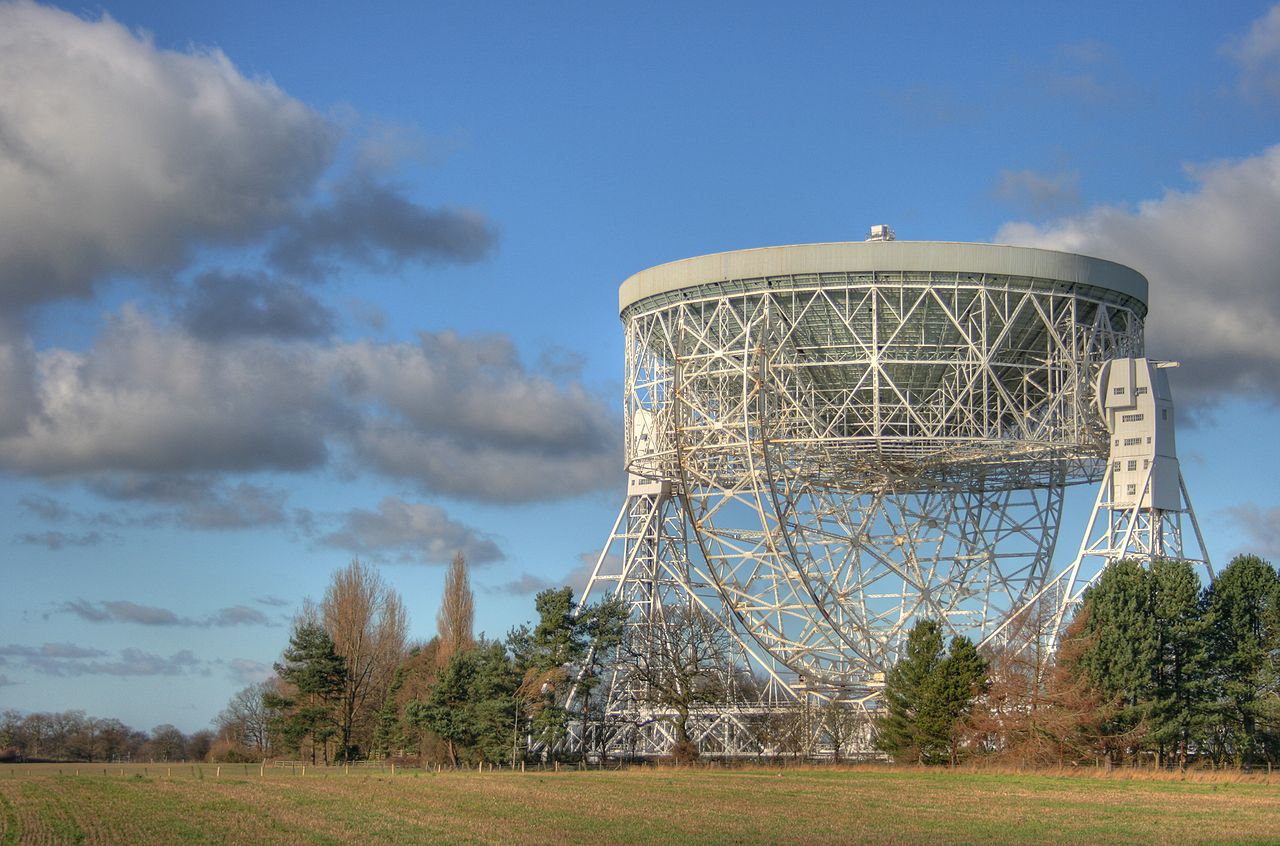 World
WorldUK Radio Astronomy Faces Closure Due to Funding Cuts
Jodrell Bank and the national e-Merlin radio astronomy network face potential closure in March 2028 due to significant funding cuts from the Science and Technology Facilities Council. This decision is part of broader savings measures impacting UK physics research and could lead to a "brain drain" of early-career scientists.
3 min readTrust 42 · Craft 55 · Hype 50 World
WorldJodrell Bank Observatory Faces Closure Amid Funding Cuts
The Jodrell Bank Observatory in Cheshire faces potential closure after its £2.8m annual funding from UK Research and Innovation (UKRI) was cut. Scientific observations are slated to cease on April 1, 2028, unless alternative funding is secured, with 28 jobs at risk.
3 min readTrust 42 · Craft 55 · Hype 15