


July 2026 becomes driest month in 190 years for England and Wales
Kew Gardens recorded no rainfall as London parks turned straw-coloured under drought conditions
Trust 66Craft 77Hype 30How this was reported ▾
Trust 66: includes named photographer source, rainfall data from Kew Gardens station, and specific figures with origins.
How well corroborated and evidenced the reporting is. Higher is better.
Critic 77: explains drought impact, provides specific data, but lacks quotes from affected residents or officials.
Context, balance and separation of fact from comment. Higher is better.
Hype 30: language is mildly emphatic but not sensational; headline matches article content.
How far presentation runs ahead of substance. Lower is better.
6 sources assessed · methodology
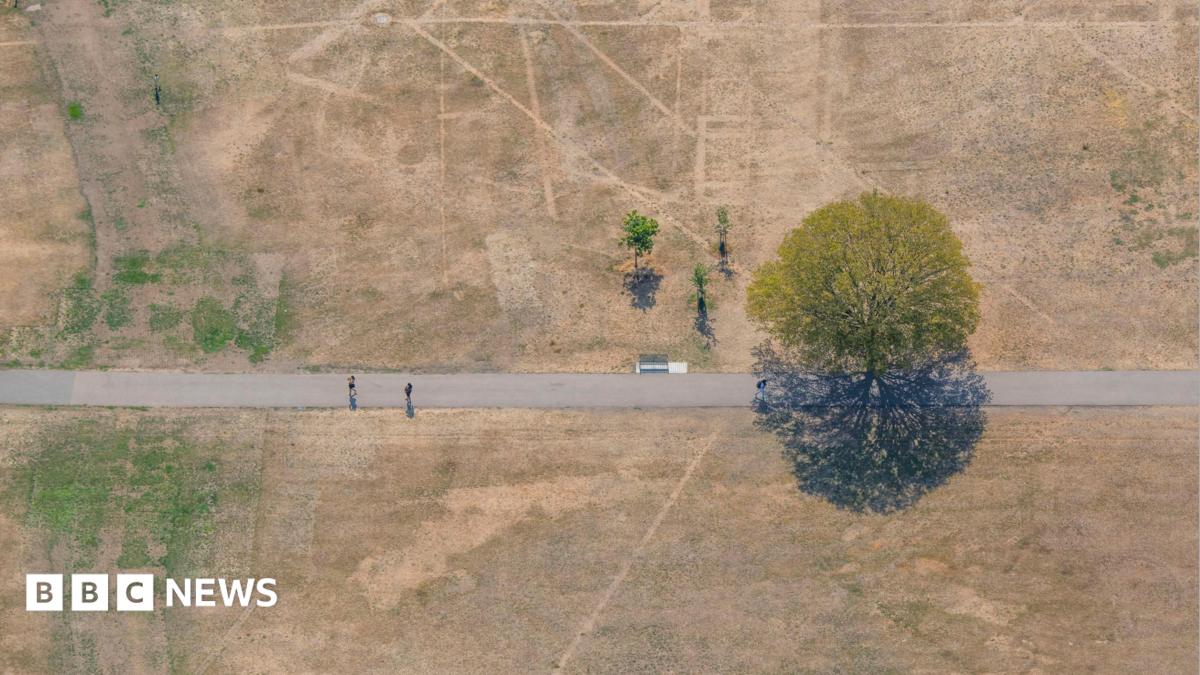
England and Wales recorded their driest July in 190 years, according to meteorological records. The Kew Gardens weather station in southwest London registered no rainfall during the month, as reported by the BBC. The Met Office confirmed the figures, marking the first time since records began that such conditions have been observed.
The drought has visibly altered London’s landscape. Parks and public green spaces, typically lush and green, have turned straw-coloured. Photographer Jason Hawkes, who has documented the city from the air for over 35 years, said the transformation was striking. He told the BBC that Hyde Park appeared particularly barren from above, a sight he described as "mental".

England faces record drought with rain not due until October
London has recorded 38 consecutive dry days as reservoirs fall below seasonal averages
Impact on London’s green spaces
Hawkes noted that Primrose Hill, usually a vibrant green space, had also been affected. "Normally that’s incredibly green there, it’s mad," he said. The only areas remaining green were rooftop terraces, which he observed are rarely used. He compared the current conditions to a similar drought four years ago, though he said the impact this year was more widespread across the South East.
“I don’t think I’ve ever seen Hyde Park look so barren, it looks mental from the air.”
Jason Hawkes, photographer

London sees first rain in weeks amid drought
The capital experienced its longest dry spell in over a month, with a hosepipe ban in effect.
The drought prompted Thames Water to declare a hosepipe ban for London in July 2026. The ban restricts the use of hosepipes for watering gardens, washing cars, and filling paddling pools. Residents who breach the ban could face fines, though enforcement details remain unclear. The water company has not yet indicated when the restrictions might be lifted.
What happens next
The Met Office has not released a forecast for when rainfall might return to normal levels. Thames Water said it would continue to monitor reservoir levels and groundwater supplies before deciding whether to extend or lift the hosepipe ban. Residents are advised to check the company’s website for updates on restrictions and water-saving measures.
Hawkes, meanwhile, said the drought had at least one benefit for his work. "It’s quite nice because normally it’s freezing, I can wear shorts," he told the BBC. He also reflected on how much London has changed during his career, noting that the city’s skyline and infrastructure continue to evolve rapidly.
Questions this report answers
+How dry was July 2026 compared to previous years?
July 2026 was the driest month on record for England and Wales in the past 190 years. Kew Gardens recorded no rainfall during the month, a first since records began. The Met Office confirmed these figures, highlighting the severity of the drought.
+What areas are affected by the hosepipe ban?
The hosepipe ban declared by Thames Water applies to London. It restricts the use of hosepipes for activities like watering gardens and washing cars. Residents who ignore the ban could face fines, though enforcement details have not been specified.
+How have London’s parks changed during the drought?
London’s parks have turned straw-coloured due to the lack of rainfall. Photographer Jason Hawkes said Hyde Park and Primrose Hill, usually green, appeared barren from the air. Rooftop terraces are among the few areas still retaining their greenery.
+When will the hosepipe ban be lifted?
Thames Water has not indicated when the hosepipe ban might be lifted. The company said it would monitor reservoir levels and groundwater supplies before making a decision. Residents should check Thames Water’s website for updates on restrictions.
Barnet Press News Desk
This article was written at the Barnet Press news desk from the reporting of the outlets listed below it. Drafting is done by a language model under human editorial supervision — there is no reporter behind this byline, and we would rather say so than invent one.
How stories are produced and scoredWho runs Barnet PressCorrections
Barnet conditions
Loading live conditions…
More Coverage in World
England faces record drought with rain not due until October
London sees first rain in weeks amid drought

London faces extended heatwave risk and water restrictions into September