

Brits More Familiar With Foreign Landmarks Than UK Ones
Research indicates a higher recognition rate for international sites over domestic attractions.
Trust 42Craft 55Hype 15How this was reported ▾
No independent sourcing; all three are identical syndicated copies.
How well corroborated and evidenced the reporting is. Higher is better.
No local reporting or scrutiny added to syndicated copy.
Context, balance and separation of fact from comment. Higher is better.
Headline matches body; no sensationalism detected.
How far presentation runs ahead of substance. Lower is better.
3 sources assessed · methodology
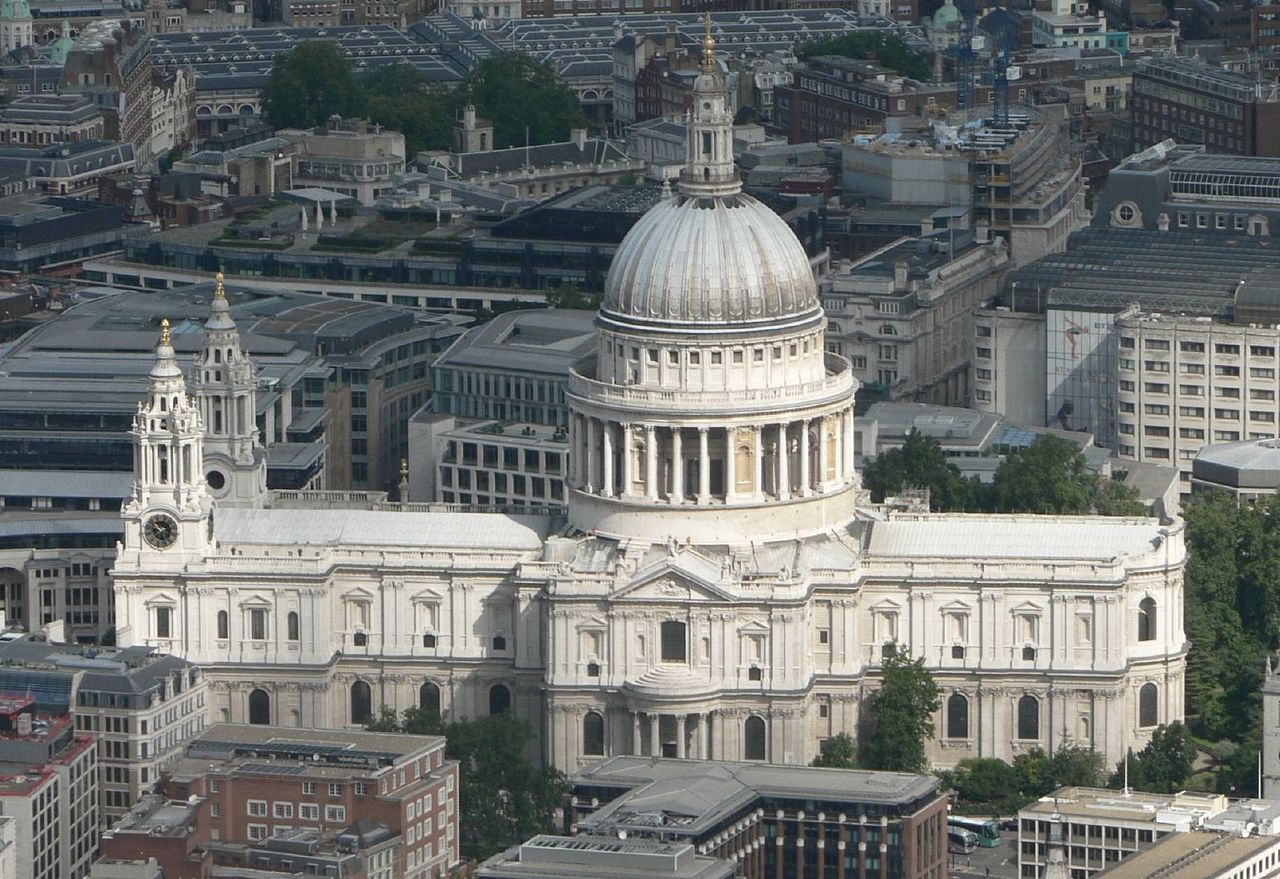
New research indicates that residents of the United Kingdom are more likely to have visited landmarks abroad than those within their own country. The study found that 55% of UK adults reported seeing the Eiffel Tower in Paris, a figure slightly higher than the 54% who have visited the Tower of London.
Recognition Rates for Landmarks
Sunseeker Holiday Homes enters administration
The Hull-based manufacturer, founded in 2019, has appointed administrators, putting 76 jobs at risk.
Beyond personal visits, the survey also highlighted a disparity in recognition. A significant 78% of UK adults could identify the Eiffel Tower, while only 58% recognised St Paul's Cathedral in London. Similarly, the Leaning Tower of Pisa was recognised by 71% of respondents, and the Colosseum in Rome by 61%, contrasting with lower recognition rates for British sites like Westminster Abbey (53%) and Edinburgh Castle (52%).
The research was commissioned by railcard.co.uk and is based on a poll of 2,000 adults across the UK. Catherine Lyver from railcard.co.uk commented on the findings, stating, "It’s easy to overlook the iconic landmarks and hidden gems on our doorstep, yet Great Britain is full of incredible places to explore." The organisation is encouraging more people to discover domestic attractions.
Barriers to Domestic Travel

Enfield Town Liveable Neighbourhood scheme paused pending review
Transport for London funding for next phase is on hold as council re-evaluates project elements.
Despite 79% of respondents expressing a desire to explore more of the UK, several factors are hindering these plans. The cost of living was cited by 43% of people as a primary reason for not travelling more within Britain, with a lack of time also mentioned by 33%.
In terms of travel preferences for visiting UK landmarks, 23% of people indicated a preference for train journeys. Key reasons for choosing rail travel included relaxation (cited by 59%), convenience (46%), and avoiding the difficulties associated with parking (43%).
To highlight British attractions, railcard.co.uk collaborated with sand sculptors to create a temporary monument on Blackpool promenade. This sculpture featured prominent UK sites such as the Tower of London, Edinburgh Castle, Stonehenge, the Eden Project, and Loch Ness, which were also identified as top desired destinations by the public.
Questions this report answers
+Why do fewer people visit UK landmarks compared to foreign ones?
The cost of living is a major deterrent, with 43% of people citing it as a reason for not exploring the UK more. This suggests financial pressures are making domestic travel less accessible for many residents.
+Which UK landmark has the highest recognition rate?
St Paul's Cathedral has the highest recognition rate among UK landmarks at 58%. This is still lower than many international sites, such as the Eiffel Tower, which is recognised by 78% of UK adults.
+What are the main reasons people prefer train travel for UK trips?
People prefer train travel for UK trips because it offers relaxation, cited by 59%, convenience at 46%, and avoids parking difficulties for 43%. These factors make rail journeys an attractive option for exploring domestic attractions.
Barnet Press News Desk
This article was written at the Barnet Press news desk from the reporting of the outlets listed below it. Drafting is done by a language model under human editorial supervision — there is no reporter behind this byline, and we would rather say so than invent one.
How stories are produced and scoredWho runs Barnet PressCorrections
Barnet conditions
Loading live conditions…
More Coverage in World
Sunseeker Holiday Homes enters administration
Enfield Town Liveable Neighbourhood scheme paused pending review
